Fossil Hunting in Lyme Regis
By Ben Matthews, Dorset and Devon Holiday Cottages
Fossil Hunting in Lyme Regis
Few places in the world can match Lyme Regis for fossil hunting. Sitting at the heart of the Jurassic Coast, England’s only natural World Heritage Site, this stretch of Dorset coastline has been giving up the remains of creatures that swam here some 200 million years ago for centuries. Walk the beaches with your eyes on the shingle and there is a real chance you will head home with an ammonite of your own.
What makes fossil hunting here so special is that it is genuinely open to everyone. You do not need expensive equipment or expert knowledge to get started, just a little patience, an eye for detail and an understanding of how to do it safely. This guide covers what you can find, where and when to look, how to stay safe, and how to make the most of a fossil hunting break. If you are already planning a trip, our Lyme Regis holiday cottages make an ideal base right beside the best hunting grounds.
The home of fossil hunting
Lyme Regis owes much of its fame to Mary Anning, the pioneering palaeontologist who grew up here in the early 19th century. Working these very beaches, she uncovered some of the most important fossil discoveries of her age, including the first correctly identified ichthyosaur skeleton, and helped change the way the world understood prehistoric life. Today’s fossil hunters quite literally follow in her footsteps, and there is something thrilling about searching the same shores that produced such landmark finds.
What fossils can you find?
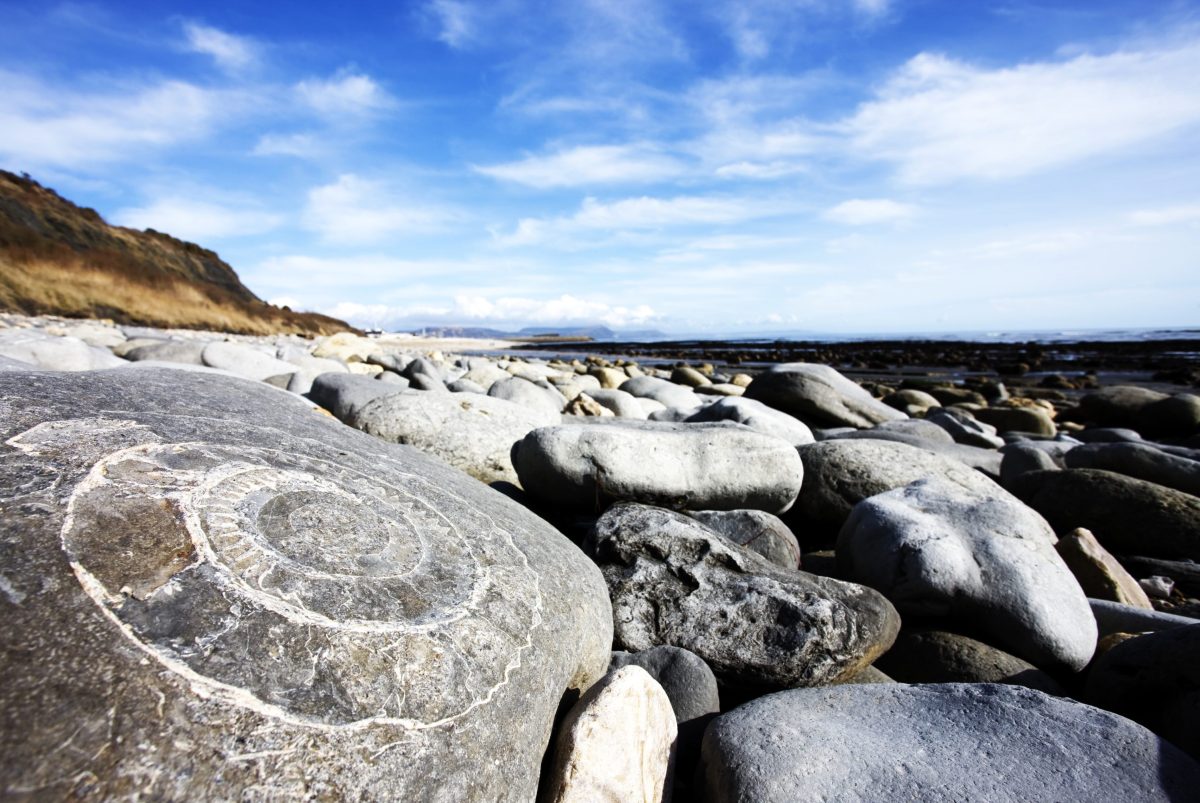
By far the most common find is the ammonite, the beautiful coiled spiral shell that has become the symbol of the Jurassic Coast. You will also regularly come across belemnites, the small bullet shaped fossils that are the remains of squid like creatures. With a keen eye and a little luck you might spot crinoids, fossilised fish, and the vertebrae of marine reptiles such as ichthyosaurs and plesiosaurs, which turn up here more often than almost anywhere else in the country.
Many fossils are found loose among the shingle and pebbles, sometimes broken open to reveal a glint of golden iron pyrite, often called fool’s gold, inside. Part of the magic is that you never quite know what the next tide or the next storm will deliver onto the beach.
The best places to hunt for fossils
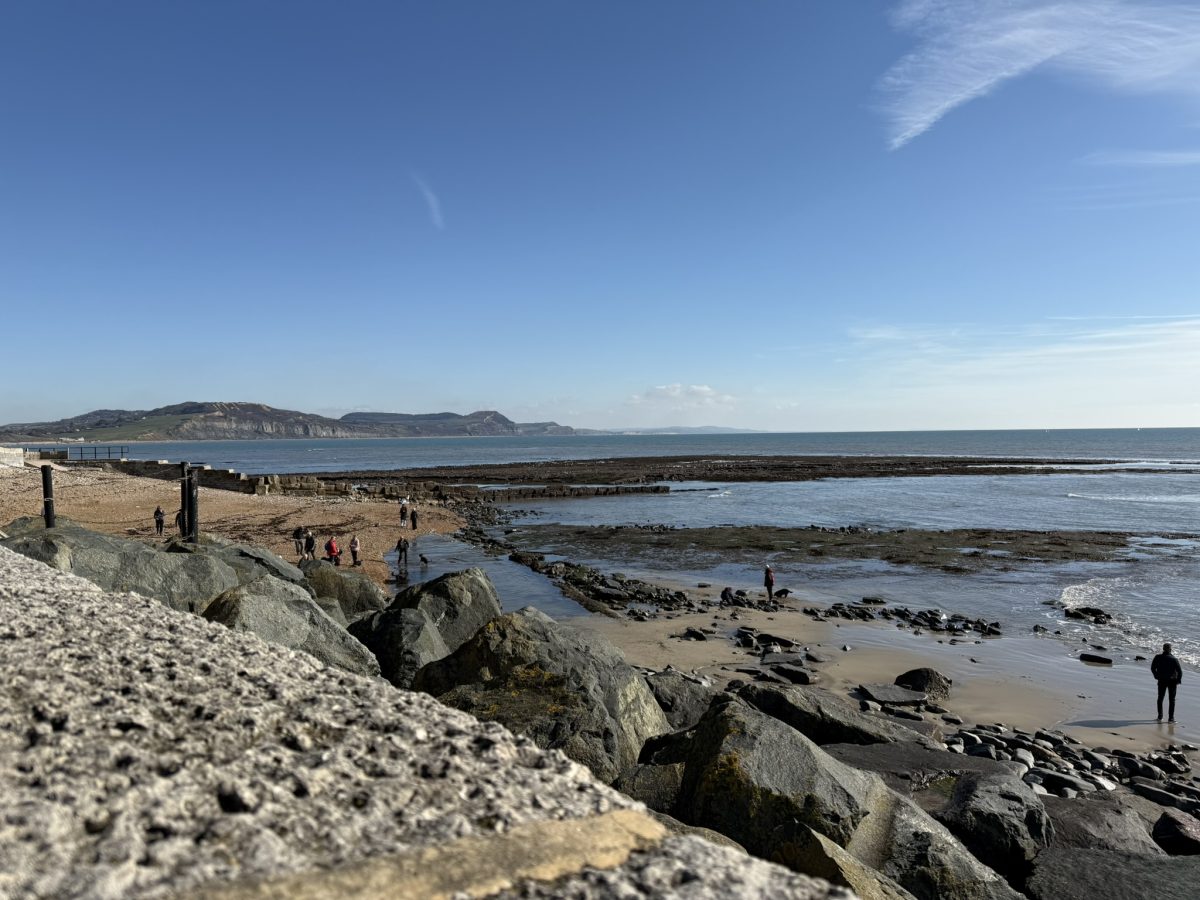
Monmouth Beach, stretching west from the Cobb, is home to the famous Ammonite Pavement, a wide limestone ledge studded with large ammonites, some up to 70 centimetres across. The fossils here are embedded in the rock and best admired and photographed rather than collected, but it is a breathtaking sight and a wonderful place to begin understanding the area’s geology.
Church Cliffs and Black Ven, to the east of the town towards Charmouth, are among the most productive spots for loose finds. Black Ven is the largest coastal mudslide in Europe and constantly washes fresh material down onto the beach, with clay layers especially rich in ammonites and belemnites.
Charmouth, just under two miles along the coast, is where many hunters choose to start. Its soft, fossil rich cliffs erode regularly to reveal new material, and the wide beach is easy to search. Our guide to the best beaches in Lyme Regis covers each of these stretches in more detail, including access, parking and facilities.
When to go fossil hunting
Timing makes a big difference. The single most important thing is to search on a falling tide, ideally heading out no earlier than around two hours before low tide and returning no later than two hours after, so you are never caught out by the incoming sea. A quick check of the tide times before you set off is essential.
As for the season, winter is widely considered the best time of year. Rough seas and storms cause more cliff erosion, which exposes and washes down far more fossils, and the freshest material often appears in the days immediately after a storm. It is no coincidence that wrapping up warm for a winter beach walk is one of the rewards of an off peak visit. Our guide to the best time to visit Lyme Regis explains what each season has to offer.
Guided fossil walks
If you are new to fossil hunting, a guided walk is the best possible introduction. Both Lyme Regis Museum and the Charmouth Heritage Coast Centre run regular walks throughout the year, led by experts who know exactly where and how to look. A typical walk lasts around two hours and dramatically improves your chances of finding something, while teaching you how to identify your discoveries.
Guided walks are especially good for families, turning a beach trip into a hands on history lesson that children love. If you are visiting with little ones, take a look at our family cottages and our wider guide to things to do in Lyme Regis for more ideas to fill the rest of your stay.
Staying safe and collecting responsibly
Fossil hunting is safe and rewarding as long as you follow a few simple rules. Keep well away from the base of the cliffs, which are genuinely unstable and can collapse without warning, and never dig into or hammer at them. Only ever collect loose fossils from the beach and the shingle. Always keep an eye on the tide and on any signage or guidance from the local fossil wardens.
There is also a well established code of conduct on the Jurassic Coast. Collect responsibly, take only a reasonable amount, and if you find something unusual or scientifically important, report it to Lyme Regis Museum or the Charmouth Heritage Coast Centre so it can be properly recorded. Following these guidelines keeps everyone safe and helps protect this remarkable coastline for the future.
What to bring
You need surprisingly little to get started. Sturdy waterproof footwear with good grip is essential, as the rocks and shingle can be slippery, and warm, weatherproof clothing will keep you comfortable in the colder months when the hunting is at its best. Bring a bag or small box to carry your finds, and consider a pair of gloves and a fossil identification guide. Most importantly, bring patience, as the best discoveries reward those who take their time and look carefully.
Where to stay
A fossil hunting break works best when you can be on the beach early, before the crowds and at the right state of the tide, so staying close to the coast really pays off. Our Lyme Regis holiday cottages put you within easy reach of Monmouth Beach, Church Cliffs and Charmouth, while a sea view holiday cottage lets you check the conditions before you even step outside.
Because winter is prime fossil hunting season, a cosy short break can be the perfect excuse to come out of season, and with so much of the day spent outdoors on dog friendly beaches, our dog friendly cottages are ideal for anyone bringing a four legged companion along for the hunt.
There is a particular kind of excitement that comes from splitting open a plain looking stone and finding a perfect spiral that has been hidden for 200 million years. It is a feeling that hooks children and adults alike, and it is what keeps fossil hunters returning to Lyme Regis season after season. Every tide rewrites the beach, so no two visits are ever quite the same.
Pull on your boots, check the tide, and come and see what the Jurassic Coast has waiting for you. Browse our Lyme Regis holiday cottages to find your base for a fossil hunting adventure to remember.